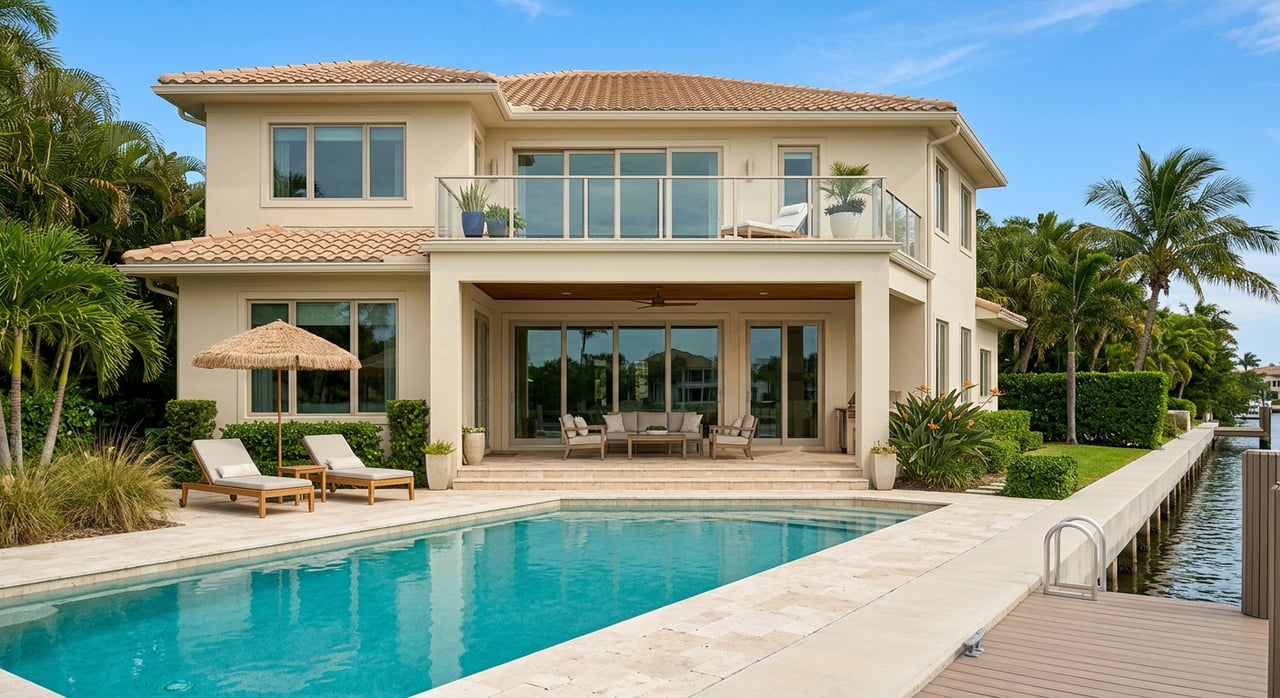
Dreaming about a place where your weekends slow down the moment you cross the bridge? For many buyers, owning a second home on Anna Maria Island is less about square footage and more about lifestyle: easy beach access, low-rise surroundings, and a coastal routine that feels refreshingly simple. If you are considering a part-time home here, it helps to understand not just the island’s charm, but also the practical side of seasonal ownership. Let’s dive in.
Why Anna Maria Island Appeals to Second-Home Buyers
Anna Maria Island is a seven-mile barrier island in Manatee County made up of three municipalities: Anna Maria, Holmes Beach, and Bradenton Beach. Rather than feeling like one large resort zone, it functions more like a collection of beach neighborhoods, each with its own rhythm and day-to-day feel.
The City of Anna Maria is the most residential area on the north end, Holmes Beach is the island’s commercial center, and Bradenton Beach is more oriented around visitor activity. That mix matters when you are buying a second home, because your experience can vary depending on whether you want a quieter setting, easier access to shops and services, or a more active vacation atmosphere.
A big part of the draw is the island’s overall character. State tourism sources describe Anna Maria Island as laid-back and old Florida in feel, with cottage-lined residential streets and less high-rise density than some other coastal destinations. If you want a second home that feels relaxed and residential, that is a major point in its favor.
What Daily Life Looks Like
For many part-time owners, the appeal of Anna Maria Island is how easy it can feel once you arrive. The usual pattern is simple: fly into Sarasota Bradenton International Airport or Tampa International Airport, drive in from the mainland over one of the bridges, settle in, and use your car less once you are on the island.
That lower-car lifestyle is supported by local transportation options. Manatee County operates the free Anna Maria Island Trolley along Gulf Drive from the Anna Maria City Pier to Coquina Beach every 20 minutes throughout the day, seven days a week, from 6:00 a.m. to 10:30 p.m. There is also the Gulf Islands Ferry, which connects downtown Bradenton with the AMI City Pier and Historic Bridge Pier.
If you picture your second home as a place where you can walk to the beach, bike to lunch, or ride the trolley instead of dealing with constant driving, Anna Maria Island fits that idea well. Visit Florida also notes that cycling is practical in many areas thanks to the island’s slower pace and bike-friendly environment.
Biking, Beach Rules, and Island Etiquette
The lifestyle here comes with rules that help protect the island’s environment and residential feel. For example, beach biking itself is not allowed because of nesting turtles, which reflects the island’s conservation-minded approach.
The City of Anna Maria also strictly enforces parking laws and beach-use regulations. Dogs, alcohol, and glass are not allowed on the beach, and beach furniture and trash must be removed each day. If you own a second home and host family or guests, these are important details to know ahead of time.
Pool and spa quiet hours run from 10 p.m. to 8 a.m. In addition, sea turtle nesting season runs from May 1 through October 31, and artificial lighting that illuminates the beach is prohibited. These are not small details on Anna Maria Island. They are part of owning property in a place that prioritizes both residential quality of life and coastal stewardship.
Seasonal Ownership Is Common Here
If you are wondering whether part-time ownership is typical, the answer is yes. The City of Anna Maria notes that many property owners are part-time residents, so seasonal use is part of the local ownership pattern rather than an exception.
That can be reassuring if you are buying a home you plan to use only part of the year. You are not trying to force a seasonal lifestyle into a market that is built around full-time occupancy. Instead, you are entering a community where many owners already structure their homes, routines, and support systems around periods of absence.
Still, a second home runs best when you plan for the weeks or months you are away. That usually means having a clear system for housekeeping, lawn care, moisture control, and post-storm checks, especially during Florida’s wetter and storm-prone months.
Flood Risk and Permitting Matter
One of the biggest realities of owning a second home on Anna Maria Island is flood exposure. The City of Anna Maria states that the city lies entirely within the 100-year floodplain and a special flood hazard area known as a coastal high hazard area.
That means flood compliance is central to ownership, especially if you are thinking about renovations, additions, or major updates. The city’s permitting process routes applications through engineering, public works, planning, and floodplain review before building review, with online permitting required.
In practical terms, if you fall in love with a property and already have ideas for remodeling, you will want to understand those flood-related requirements early. On a barrier island, renovation feasibility is not just about design preferences. It is also about how the property fits local review and compliance standards.
Hurricane Season and Storm Planning
Storm preparation is part of normal ownership along the Gulf Coast. NOAA says the Atlantic hurricane season runs from June 1 through November 30, although storms can occur outside that timeframe.
For second-home owners, that means your planning cannot stop at insurance and shutters. You also need a reliable routine for checking the property before and after weather events, especially if you live out of the area for much of the year.
A useful mindset is to think of storm readiness as an ongoing system rather than a one-time checklist. If your home is vacant for stretches, clear communication and dependable local oversight become especially important.
Moisture, Mold, and Coastal Wear
Humidity management is another major part of second-home ownership in Florida. The Florida Department of Health recommends keeping indoor humidity below 60% to help prevent mold growth, often through air conditioning or dehumidifiers.
That is especially relevant if your property sits empty for weeks at a time. A beautiful beach home can quickly become more expensive to maintain if interior moisture is not monitored consistently.
Coastal materials also wear faster than many buyers expect. FEMA notes that salt spray and onshore winds can accelerate corrosion of metal connectors and fasteners, while coastal humidity increases corrosion risk further. Over time, that makes proactive maintenance a practical necessity, not just a best practice.
Smart Ownership Habits for Part-Time Use
If you are buying a second home on Anna Maria Island, a few habits can make ownership smoother:
- Plan for regular exterior inspections
- Schedule HVAC checks and drainage reviews
- Use corrosion-resistant materials where possible
- Keep interior humidity controlled during vacant periods
- Arrange reliable housekeeping and lawn care
- Set up post-storm property checks
- Learn local parking, lighting, and beach-use rules before guests arrive
These steps may sound simple, but they can protect both your enjoyment and your long-term costs. On a barrier island, the homes that age best are often the ones managed with consistency.
How Anna Maria Island Compares Nearby
If you are still narrowing down your ideal second-home location, it helps to compare Anna Maria Island with other nearby barrier islands. Each one offers a distinct ownership experience.
Longboat Key tends to feel more polished and private. Public descriptions emphasize quiet shores, luxury leisure, and a strong residential identity, though seasonal traffic can become heavier from January through April.
Siesta Key offers a more energetic, village-centered atmosphere. It is known for a more active social hub, more visitor-serving businesses, and easier access to dining, shops, and nightlife.
Anna Maria Island stands apart for buyers who want a quieter, low-rise, nature-aware retreat. If your ideal second home is less about constant activity and more about easy routines, beach access, and a relaxed coastal setting, Anna Maria Island is often the strongest fit.
Is Anna Maria Island Right for You?
The best second home is not always the one with the flashiest features. It is the one that matches how you actually want to live when you are there, and how comfortably you can manage it when you are away.
Anna Maria Island works especially well if you value a residential setting, a slower pace, and a beach community where walking, biking, and trolley rides can be part of everyday life. It also helps if you are prepared for the realities of barrier-island ownership, including floodplain considerations, storm planning, and consistent maintenance.
If you are comparing Anna Maria Island with Longboat Key or other nearby coastal communities, local insight can make a big difference. To talk through your second-home goals and explore the right barrier-island fit for your lifestyle, connect with Julie Klick.
FAQs
What is Anna Maria Island like for second-home owners?
- Anna Maria Island is a seven-mile barrier island made up of Anna Maria, Holmes Beach, and Bradenton Beach, with a generally low-rise, relaxed, residential feel that appeals to many part-time owners.
What transportation options are available on Anna Maria Island?
- Manatee County operates the free Anna Maria Island Trolley along Gulf Drive every 20 minutes daily, and the Gulf Islands Ferry also connects downtown Bradenton with island stops.
What flood considerations matter for owning a second home in Anna Maria?
- The City of Anna Maria states that the city is entirely within the 100-year floodplain and a coastal high hazard area, so flood compliance is a key factor for ownership and any remodeling plans.
What are important beach and property rules on Anna Maria Island?
- The city strictly enforces parking and beach rules, including no dogs, alcohol, or glass on the beach, daily removal of beach furniture and trash, and lighting restrictions during sea turtle nesting season.
What maintenance issues should second-home owners expect on Anna Maria Island?
- Part-time owners should plan for moisture control, mold prevention, corrosion from salt air, HVAC checks, drainage reviews, and post-storm inspections as part of regular coastal home care.
How does Anna Maria Island compare with Longboat Key and Siesta Key for a second home?
- Anna Maria Island generally suits buyers seeking a quieter, low-rise retreat, while Longboat Key leans more private and polished, and Siesta Key offers a more active, village-centered environment.