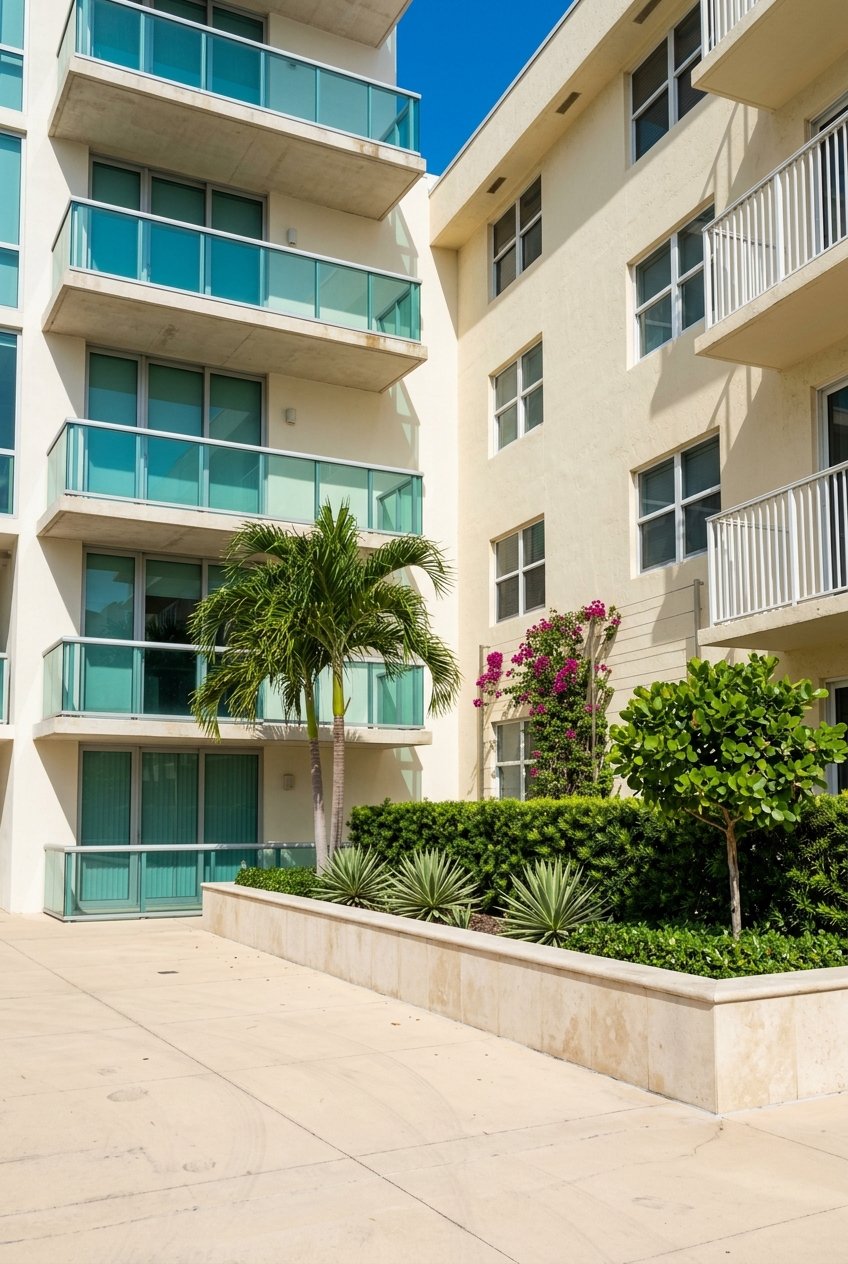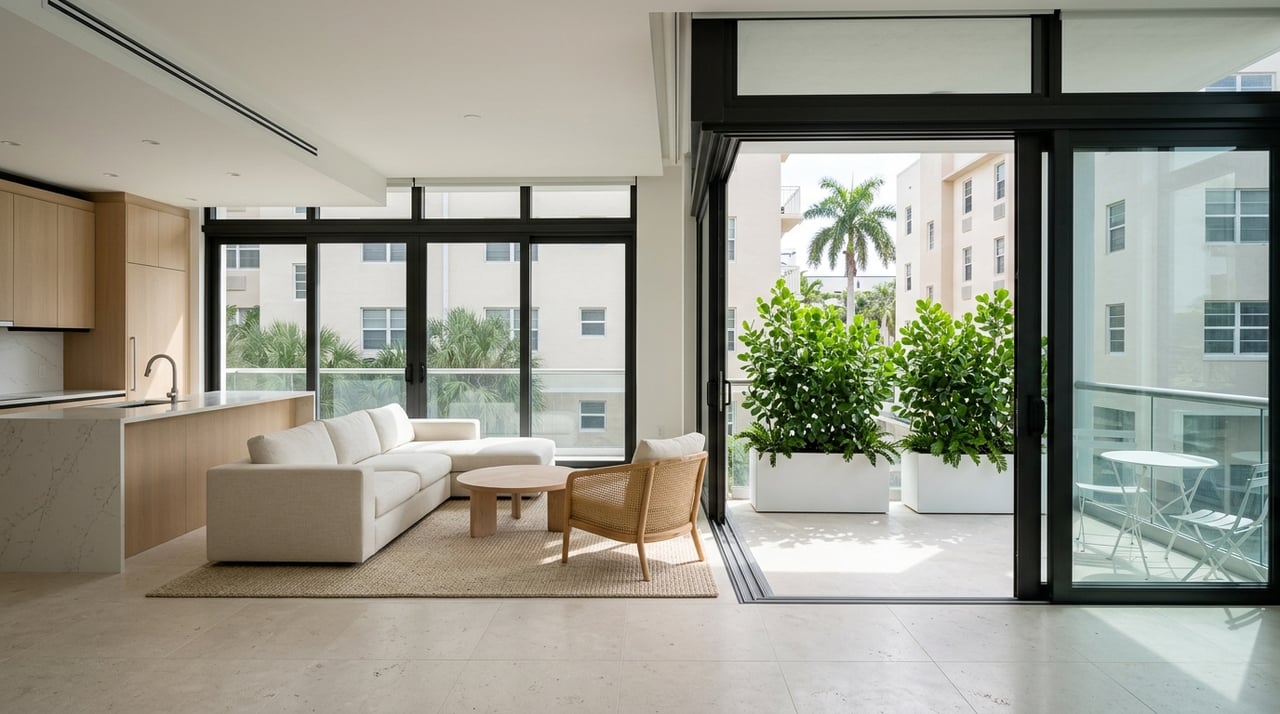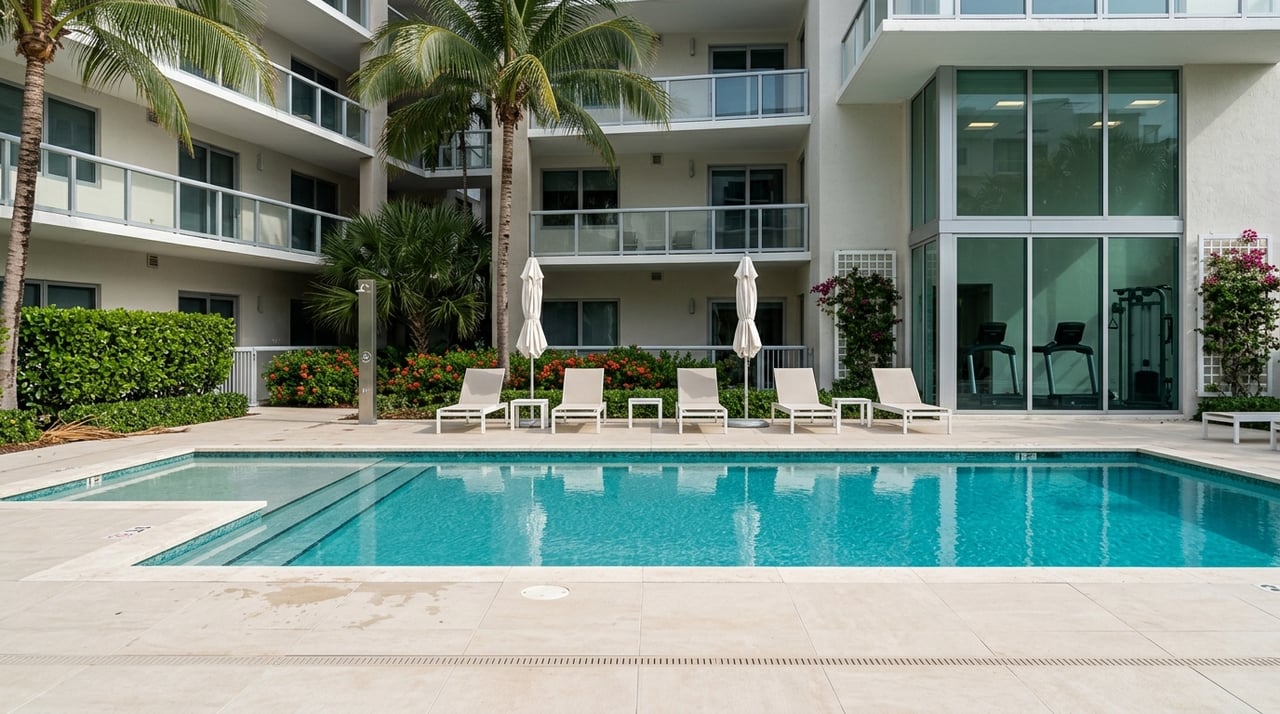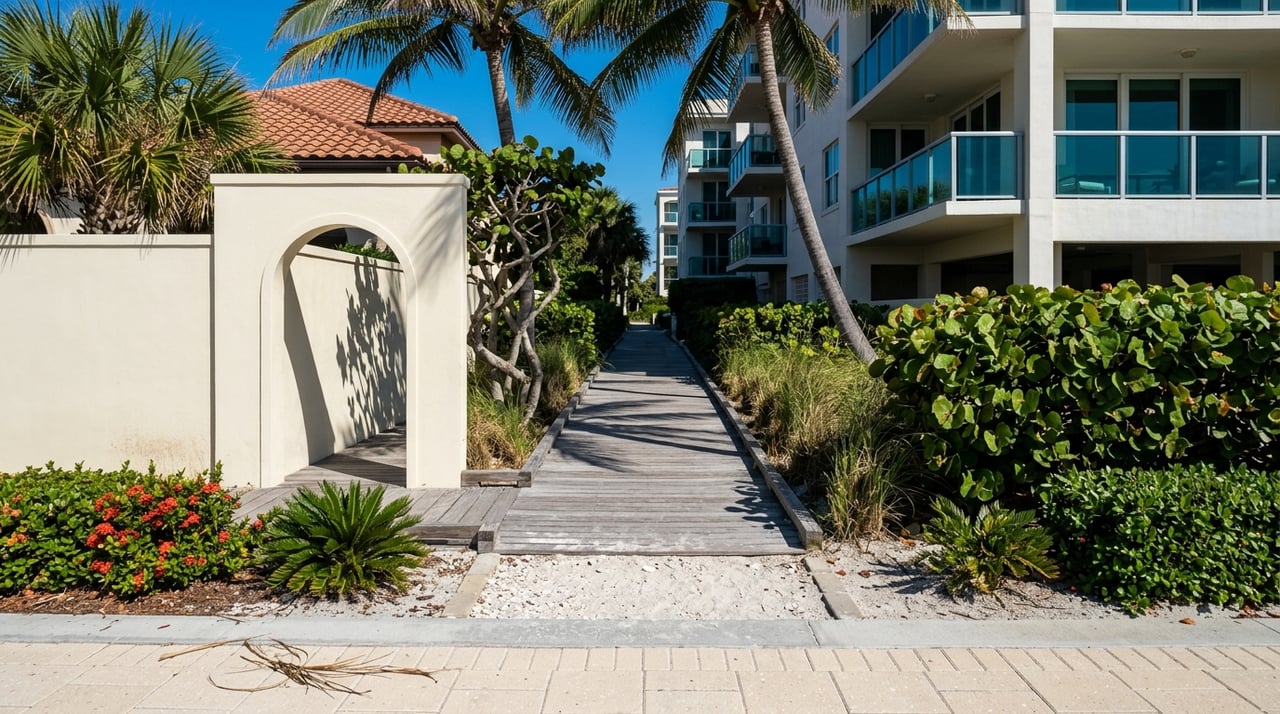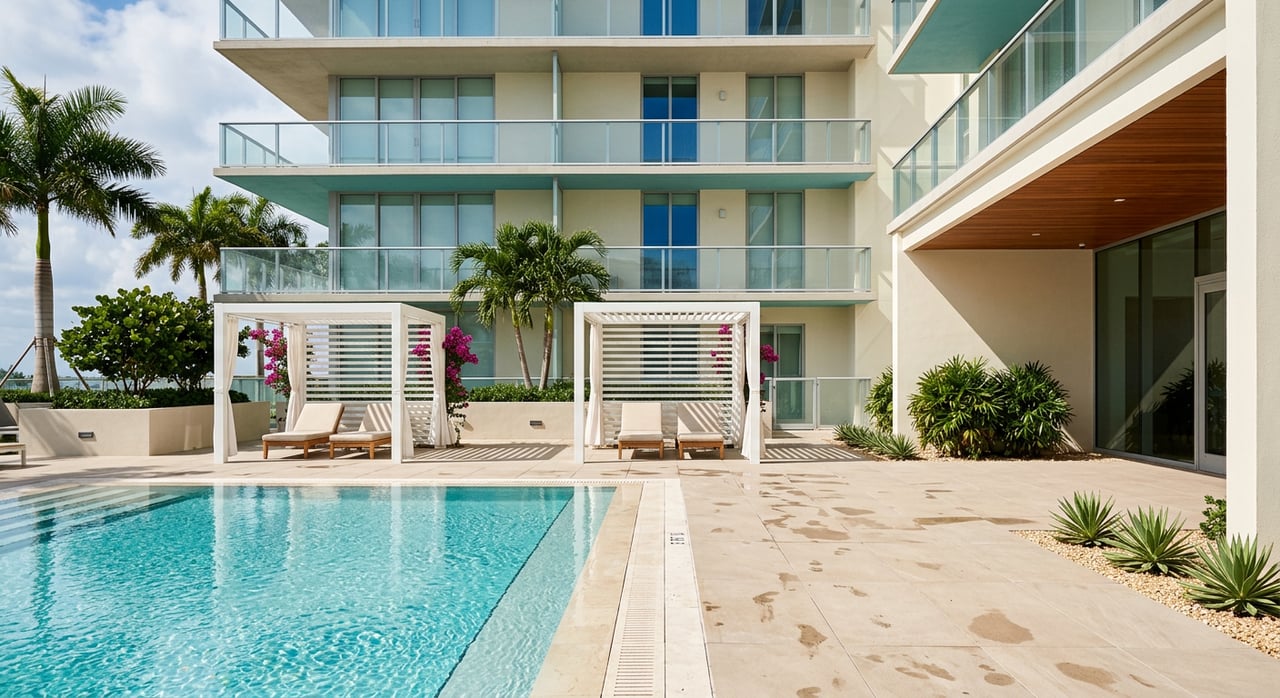
What if you could enjoy resort amenities, walkable dining, and easy lock-and-leave living without the maintenance of a single-family home? If you are eyeing a move-down or second home, Lakewood Ranch offers a smart balance of convenience and lifestyle. In this guide, you will learn the key condo styles here, how fees and rules work, what safety and insurance questions to ask, and a simple checklist to make a confident choice. Let’s dive in.
Why Lakewood Ranch works for lock-and-leave living
Lakewood Ranch is a master-planned community with multiple villages, golf options, parks, and town centers that support an easy, amenity-rich lifestyle. You will find walkable districts, including Main Street and Waterside Place, plus clubhouses, pools, dining, and fitness across many neighborhoods. The setting gives you year-round access to shopping and services, with less direct salt-air exposure than beachfront towers. Explore the community overview to understand how the villages fit together at the official Lakewood Ranch site.
Three condo styles to compare
Choosing the right luxury condo starts with how you want to live day to day. Here are the three styles you will see most often in Lakewood Ranch, with examples and what to consider.
Village-center walkable condos
These mid-rise or mixed-use buildings sit near Main Street or village centers. You can walk to dining and events, and many buildings offer elevators, covered parking, and storage. Seasonal rental flexibility can vary by association, so always confirm the rules before you plan on leasing.
- Example to research: Lake Vista Residences
- Typical fee expectation: many Main Street-style buildings show monthly assessments in the mid $500s to $700s range, with variations by unit size and services.
- Signature appeal: lock-and-leave convenience with restaurant and event access close by.
Golf-course and bundled-golf condos
Coach homes, veranda condos, and low-rise buildings often cluster around private or semi-private clubs. Some communities include a bundled membership in the purchase price, while others offer optional memberships. Fees and dues structures reflect the amenity package, so review them carefully.
- Example to research: Clubside at Country Club East
- Typical fee expectation: many golf condos report monthly fees in the $300 to $700 range, depending on building, phase, and membership structure.
- Signature appeal: on-site golf, racquet sports, social events, and larger clubhouses.
Resort-style complexes and new waterfront neighborhoods
These properties center daily life around a large clubhouse with multiple pools, fitness, lifestyle programming, and sometimes concierge-style services. They are designed for a true resort experience with strong lock-and-leave capability.
- Example to research: WaterCrest at Lakewood Ranch
- Typical fee expectation: waterfront and resort-style mid-rises often range from the $600s to more than $1,300 per month on larger or more fully serviced buildings.
- Signature appeal: hotel-like amenities in an inland setting with reduced salt exposure compared to beach high-rises.
What condo fees usually cover
Condo fees typically fund building exterior and roof care, landscaping, pools and common amenities, the master insurance policy, water and sewer, on-site management, elevator service, pest control, and reserve contributions. This mix can differ by building, so review the “fee includes” section and the current budget for any property you are considering. You can preview the kinds of coverage listed on community pages like Lake Vista Residences.
Why do fees vary so much? Building age, the number of units, and included utilities all matter. Some buildings include internet or cable in the monthly assessment, while others do not. Separate club dues or a bundled golf membership can also affect the bottom line.
A quick note on CDDs
Many Lakewood Ranch villages use a Community Development District (CDD) to fund infrastructure. A CDD appears as a line on your annual property tax bill, separate from your HOA or condo assessment. For an overview of how CDDs work locally, review the Lakewood Ranch fact sheet.
Safety, inspections, and reserves to verify
Florida updated its condo safety laws after the Surfside tragedy. Buildings that are three stories or taller are subject to milestone inspections on a schedule that is generally tied to building age, along with Structural Integrity Reserve Studies (SIRS). These reports can identify major repair needs and require associations to fund reserves accordingly, which can impact future assessments. You can read a summary of the state law changes at WQCS and a practical guide for owners at Pavese Law’s overview.
What this means for you: always ask whether required inspections have been completed, request the summary and full reports, and confirm the reserve funding plan for any identified repairs. If a special assessment is planned or recently approved, understand the timing, total amount, and payment schedule.
Insurance, wind deductibles, and flood
Condo associations carry a master property policy that covers the building and shared areas. The policy type determines how much of the unit interior is included. You will typically carry an HO-6 policy for your personal property, interior improvements, liability, loss of use, and loss-assessment coverage. A clear primer on what your HO-6 should cover is available in this guide to buying condo insurance.
In Florida, named-storm deductibles are often set as a percentage of the insured value on the master policy. If a storm hits and reserves are not sufficient, owners can be assessed. Ask for the current policy declaration page and deductible structure so you can plan properly.
Standard condo and HO-6 policies do not cover flood. In some buildings, the association carries a Residential Condominium Building Association Policy through the NFIP. You can check a property’s flood zone at FEMA’s Map Service Center and ask whether the association has flood coverage in place and to what limits.
Rentals and true lock-and-leave living
Short-term rental rules come from both the association’s documents and local regulations. Some areas require registration and minimum stays. HOA and condo rules can be more restrictive than local zoning, so verify both. For a quick orientation to local ordinance trends, review the Sarasota rental rules summary, then confirm the exact policy for your specific building.
When you plan to leave seasonally, look for lock-and-leave features such as professional on-site management, secure under-building parking, package handling, protected entry, impact-rated windows and doors, and clear guest or vendor procedures. Many resort-style buildings in Lakewood Ranch highlight these services, which can make seasonal ownership easier.
Your due diligence checklist
Request these items for each condo you are seriously considering. Reviewing them early can save time and help you avoid surprises.
- Current association budget, last two to three years of financials, and month-to-month assessment history. Confirm whether reserves are fully funded for scheduled projects.
- Most recent reserve study and any Structural Integrity Reserve Study, plus milestone-inspection reports and repair timelines if applicable. Ask for the full report and statutory summary.
- Master insurance policy declaration page, including wind and named-storm deductible details, and whether flood coverage exists for the building.
- Twelve to twenty-four months of HOA meeting minutes and any pending litigation or engineering reports that could lead to assessments.
- Leasing rules, minimum lease terms, annual lease limits, and any registration requirements if you plan to rent seasonally or short-term.
- A breakdown of what the monthly assessment covers, including utilities, reserves, elevator maintenance, and on-site management, plus any separate club or golf dues.
- Flood zone panel, elevation certificate if available, and recent claims history for the building.
- On-site services relevant to seasonal owners, including emergency contacts, package handling, guest registration, and any concierge or property management resources.
Comparing Lakewood Ranch to Sarasota’s coast
If you are weighing Lakewood Ranch against beachfront condos, consider the tradeoffs. Lakewood Ranch offers inland convenience, walkable town centers, and broad amenity sets without the direct salt-air exposure of the coast. Coastal towers often command higher per-square-foot pricing for beach access and can face different insurance and storm-surge risks. The right choice depends on your lifestyle, your maintenance preferences, and how you plan to use the property each season.
Next steps
Your best condo choice will align with how you live, how often you plan to visit, and the level of services you want on site. If you would like a clear, side-by-side comparison of buildings, fees, and rules, or a warm introduction to trusted local resources, reach out. I am here to help you weigh Lakewood Ranch options alongside the coastal lifestyle on Longboat Key and beyond.
When you are ready to talk through your plan, connect with Julie Klick for thoughtful, concierge-level guidance.
FAQs
What condo styles are in Lakewood Ranch?
- You will find walkable village-center mid-rises, golf-course condos that may include memberships, and resort-style mid-rises with hotel-like amenities.
How much are monthly condo fees in Lakewood Ranch?
- Typical ranges often run from the mid $500s to $700s for village-center buildings, $300 to $700 for many golf condos, and about $600 to more than $1,300 for resort-style mid-rises.
What inspection reports should you request in Florida?
- Ask for any milestone inspection and Structural Integrity Reserve Study, plus the latest reserve study and the association’s repair and funding plan.
How do CDD fees work in Lakewood Ranch?
- Many villages use a Community Development District that appears as a line on your annual property tax bill and is separate from your HOA or condo assessment.
Can you rent a Lakewood Ranch condo short-term?
- It depends on both association rules and local ordinances, so confirm minimum stay, registration, and annual lease limits before you buy.