Should you lean into resort-style convenience or opt for the freedom of a private retreat? If you are weighing a condo against a single-family home on Longboat Key, you are not alone. Seasonal buyers in 34228 often balance lifestyle perks with practical factors like maintenance, insurance, and rental rules. In this guide, you will learn the key tradeoffs so you can match your choice to how you want to live and enjoy the island. Let’s dive in.
34228 snapshot and what it means
Longboat Key is a 12–15 mile barrier island between Sarasota Bay and the Gulf of Mexico. In 34228, you will find a mix of beachfront and bayfront condo towers, smaller condo communities, and single-family neighborhoods on interior and bayside lots. Town planning and parcel data are managed by the Town of Longboat Key and Manatee County, which is helpful as you narrow locations and property types. You can explore local resources on the Town of Longboat Key site and verify parcel details through the Manatee County Property Appraiser.
Seasonal demand peaks in late fall through spring. That timing shapes both ownership costs and rental potential, especially if you plan to offset costs with seasonal leases.
Costs and maintenance: the real picture
Condos: what HOA dues usually cover
Condo owners pay monthly or quarterly association dues. These often include exterior maintenance, common-area utilities, landscaping, pools, elevators, roof and building envelope care, master insurance for common property, and contributions to reserves. Some buildings include on-site management and security.
Dues generally do not cover your interior finishes or contents, and utilities can be separate depending on metering. Review the budget so you understand what is included versus what you will carry on your own.
Single-family homes: budgeting for upkeep
With a home, you are responsible for exterior maintenance, landscaping, pool service, roof and HVAC, and any structural or seawall repairs. A common heuristic is to set aside roughly 1 to 3 percent of the home’s value per year for maintenance and repairs. Treat this as a starting point only, since age, exposure, and construction quality can move the number up or down on the coast.
Reserves and special assessments
Reserve health matters. Older Gulf Coast buildings across Florida have seen special assessments for capital repairs like roofs, concrete restoration, or seawalls. The Community Associations Institute outlines best practices for reserves and transparency, which can guide your questions. Review CAI’s guidance on reserves and association governance.
Ask for these items during due diligence:
- Current-year HOA budget and the last 2–3 years of budgets
- Latest reserve study and when the next update is due
- Minutes of association meetings for the last 12–24 months
- History of special assessments and reserve contributions
- A clear breakdown of what dues cover versus owner responsibilities
Insurance on the coast: key differences
Condos: master policy plus HO-6
Condo associations carry a master policy for the building’s common elements and often the exterior shell. Policy scope varies by community rules and the Florida Condominium Act, so confirm whether the association is responsible for bare walls, single entity, or all-in coverage. You can review statutory definitions and obligations in the Florida Condominium Act (Chapter 718).
As an owner, you carry an HO-6 policy for your unit’s interior improvements, personal property, loss of use, and liability. In Florida, it is important to include adequate loss assessment coverage, which helps if the association levies an assessment after a covered event.
Homes: wind and flood considerations
Single-family owners typically hold an HO-3 policy that covers the dwelling, contents, and liability. Coastal properties can carry substantial wind or hurricane deductibles, sometimes expressed as a percentage of the dwelling coverage limit. Premiums vary by home age, elevation, construction, and claims history.
Flood risk is a separate rating. Many properties on Longboat Key sit in FEMA Special Flood Hazard Areas where lenders require flood insurance. Check your exact flood zone on the FEMA Flood Map Service Center, and request an elevation certificate if available. For market conditions and consumer resources, see the Florida Office of Insurance Regulation. If private carriers are not available, Florida’s insurer of last resort is Citizens Property Insurance.
Practical insurance checklist:
- Obtain the association’s master policy declarations page and the latest renewal terms
- Confirm what the master policy insures versus your HO-6 responsibilities
- Get early quotes for homeowners or HO-6 plus flood insurance
- Request an elevation certificate or recent survey for flood rating
Amenities, privacy, and daily living
Condo lifestyle: lock-and-leave ease
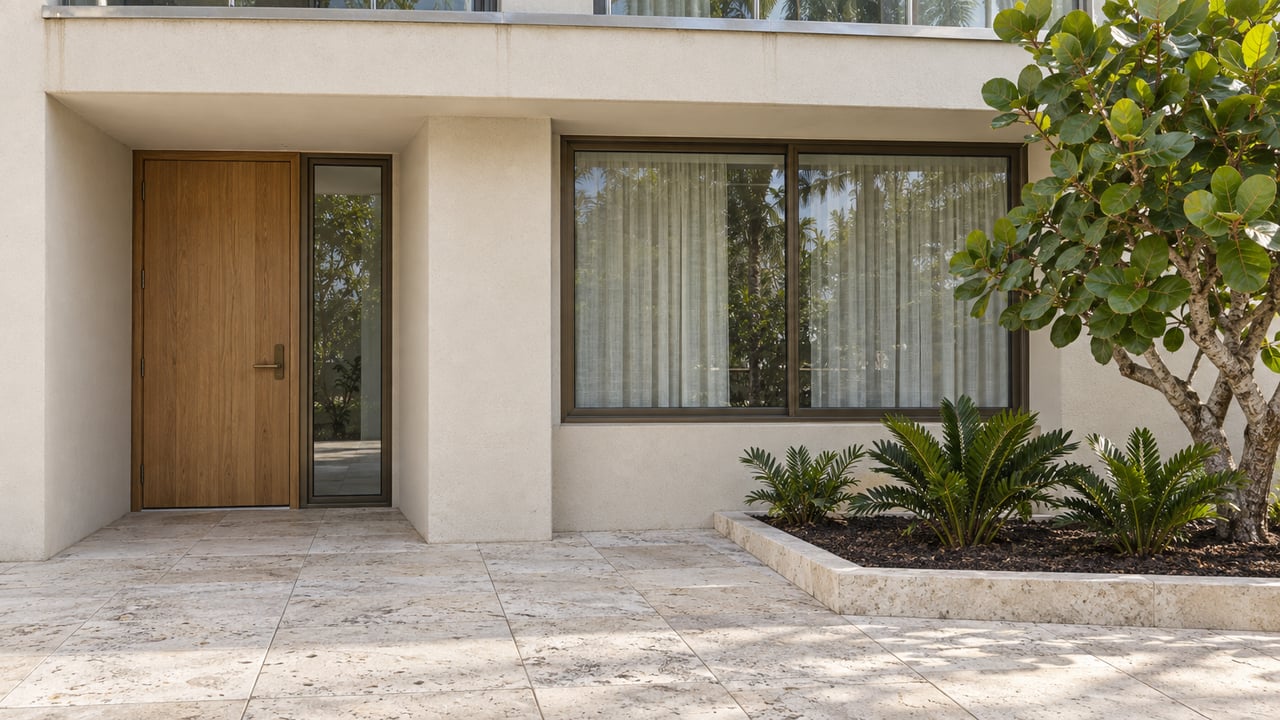
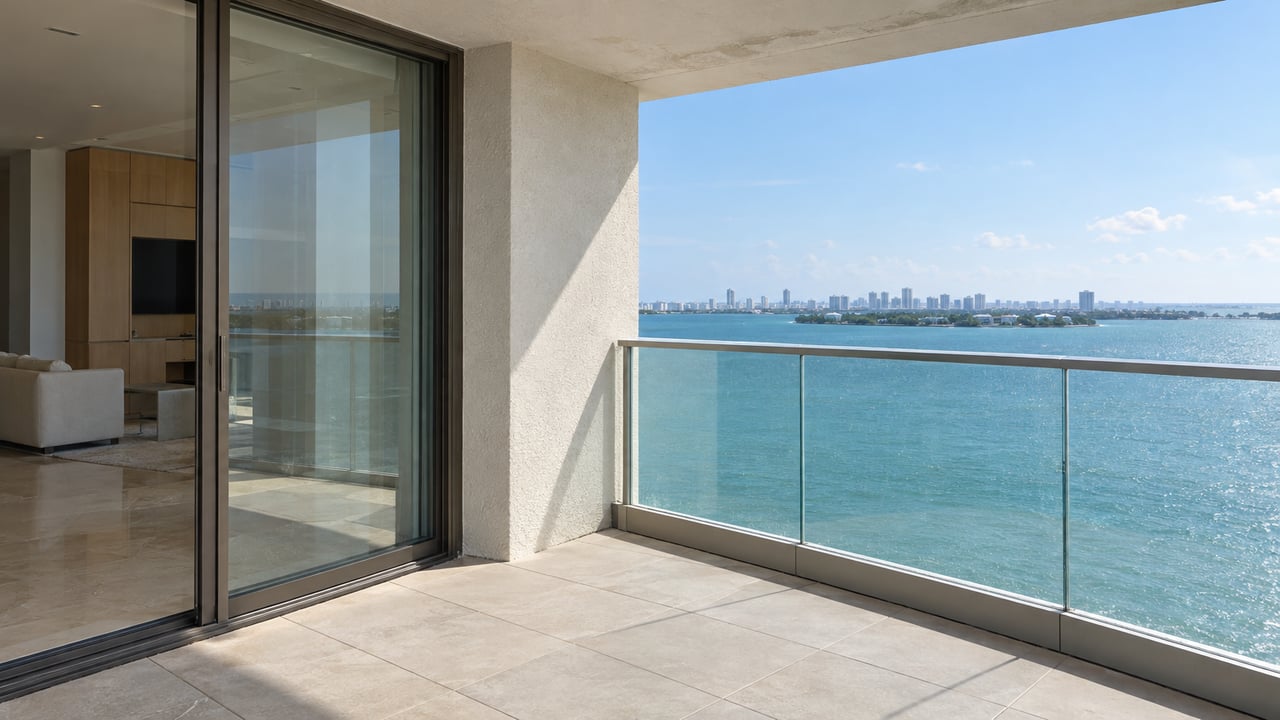
Condos offer built-in amenities like pools, fitness centers, managed beach access, docks, and security. On-site management can simplify ownership, especially if you plan to be away for part of the year. It is an easy lock-and-leave setup.
Tradeoffs include shared walls, common areas, and lifestyle rules that govern pets, parking, and interior modifications. During peak season, parking and guest access can be tight in some complexes.
Single-family lifestyle: space and control
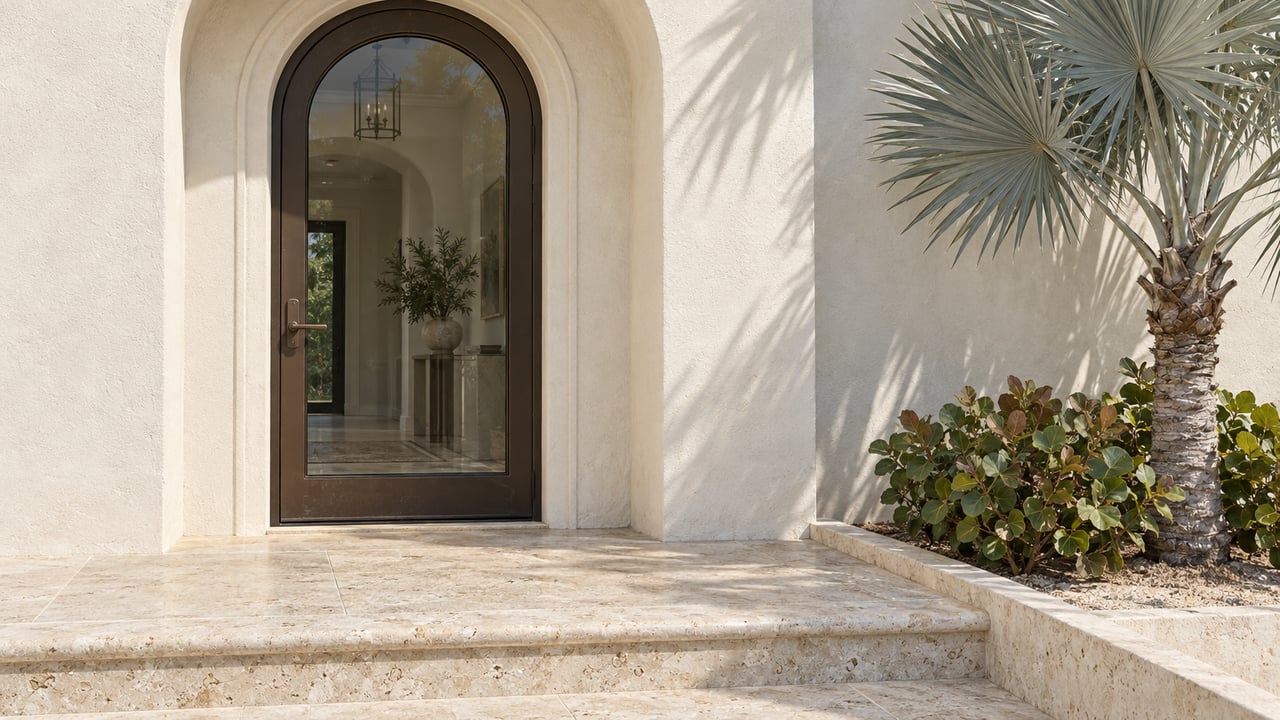
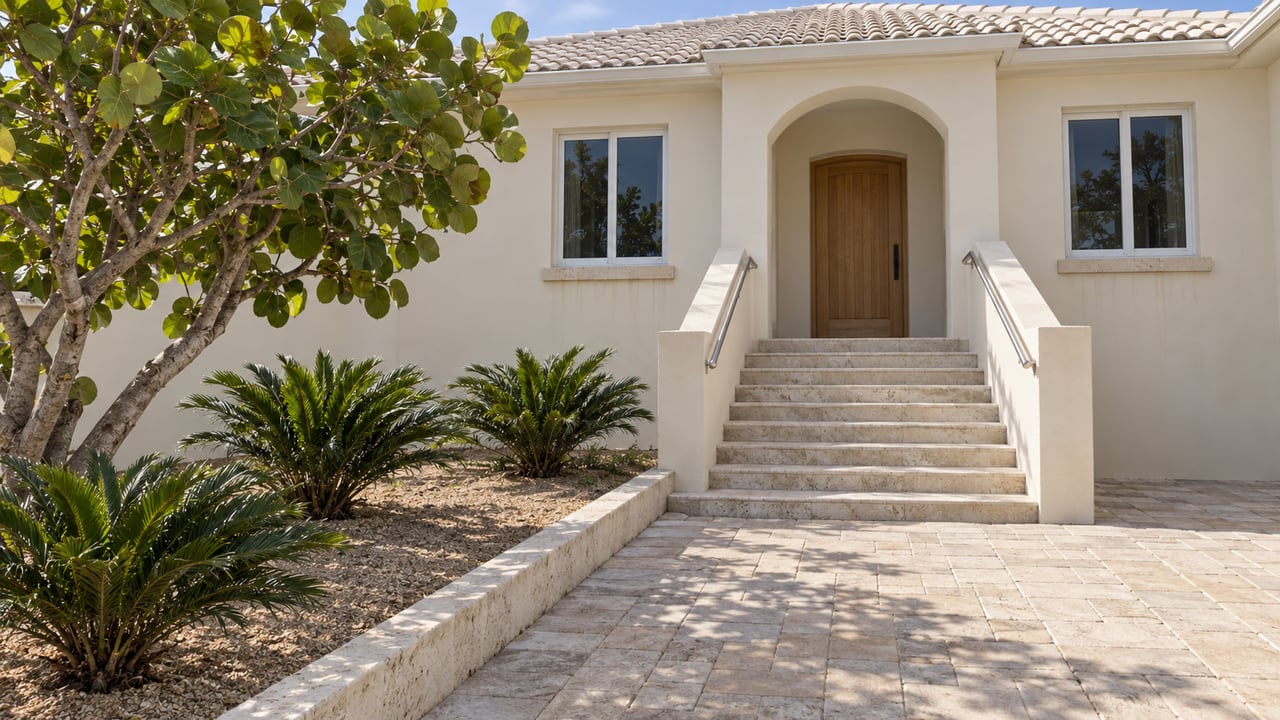
Homes typically deliver more privacy, yard space, and storage, along with the option for a private pool and garage. You can customize landscaping and exteriors with fewer constraints. Bayside homes may offer private docks, which can be desirable if boating is a key part of your lifestyle.
The tradeoff is more hands-on ownership. You will need a maintenance plan, and if you are seasonal, a property manager can be helpful for inspections and upkeep.
Renting your property: rules and returns
Condos: building rules set the tone
Most condo declarations include rental restrictions that shape income potential. Common rules include minimum stays, caps on the percentage of units rented at once, waiting periods after purchase, and association approval of leases. Always review the declaration, bylaws, and rules before you plan on seasonal income.
Homes: more flexibility, still regulated
Single-family homes often provide more flexibility, but you must comply with local rules, business licensing, and transient rental taxes. Check the Town of Longboat Key and its Code of Ordinances via Municode for registration and minimum-stay requirements. For occupancy taxes, review Manatee County’s guidance on tourist development taxes at mymanatee.org.
Practical rental checklist:
- Obtain the condo’s rental policy, approval process, and any waiting periods
- Confirm town registration and business tax receipt requirements
- Register and remit tourist development taxes in Manatee County when applicable
- Build a conservative pro forma with seasonal rates, cleaning, utilities, HOA costs, and management fees
Financing, taxes, and resale
Condo financing can depend on project approvals and association health. Some lending programs require certain owner-occupancy ratios and prohibit projects with significant litigation or deferred maintenance. Review federal program requirements on the HUD site if you plan to use FHA-related options.
Second homes typically do not qualify for Florida’s homestead exemption, so property taxes are assessed at non-homestead rates. You can verify parcel information and assessments with the Manatee County Property Appraiser.
Resale considerations differ by property type. Condo values can be sensitive to HOA fee levels, reserves, and special assessment history. Single-family gulffront homes may command premiums for privacy and beach access but can be affected by flood risk, seawall condition, and insurance costs.
Quick decision guide
Choose a condo if you want:
- A low-maintenance, lock-and-leave setup with amenities
- Security and managed common areas
- Predictable monthly dues that bundle many ownership costs
Choose a single-family home if you want:
- More privacy, outdoor space, and storage
- Control over improvements, landscaping, and parking
- Potential for private docks and tailored boating access on bayside lots
Buyer due diligence for 34228
For both condos and homes, request:
- Deed, legal description, and available survey and elevation certificate
- Flood zone confirmation via FEMA maps
- Insurance quotes for homeowners or HO-6 plus flood
- Local rental permit and tax registration requirements if you plan to rent
Additional for condos:
- Declaration, bylaws, and rules and regulations
- Current budget, reserve study, insurance policies, and financial statements
- Board meeting minutes for the last 12–24 months
- Any pending litigation and history of special assessments
- Parking, storage, and pet policies, plus rental caps or owner-occupancy requirements
Additional for single-family homes:
- Age and condition of roof, HVAC, and any seawall or dock
- Sewer or septic details, plus irrigation and landscaping costs
- Any neighborhood deed restrictions or HOA rules
- Dock permits and seawall condition if boating access matters
When you balance the numbers with how you want to live, the right answer usually becomes clear. If you want a calm, expert walkthrough of specific buildings, streets, and boating options on Longboat Key, connect with Julie Klick for tailored guidance and a plan that fits your goals.
FAQs
What ongoing costs differ between condos and homes on Longboat Key?
- Condos bundle many exterior costs into HOA dues, while single-family owners pay directly for maintenance, repairs, landscaping, and capital items like roofs or seawalls.
How do condo master policies work in Florida?
- Associations insure common elements and often the exterior shell; owners carry HO-6 coverage for interiors, contents, liability, and loss assessment under the Florida Condominium Act.
Where can I check flood risk and insurance needs in 34228?
- Review your property’s flood zone on the FEMA Flood Map Service Center and obtain flood quotes; consider elevation certificates for accurate rating.
Are short-term rentals allowed for condos and homes in 34228?
- Many condos have minimum-stay rules and caps; single-family homes may be more flexible but must follow the Town of Longboat Key rules and Manatee County’s tourist tax requirements.
What if I cannot find homeowners insurance through private carriers?
- If coverage is not available privately, Florida’s insurer of last resort is Citizens Property Insurance; premiums and deductibles vary by elevation, age, and exposure.