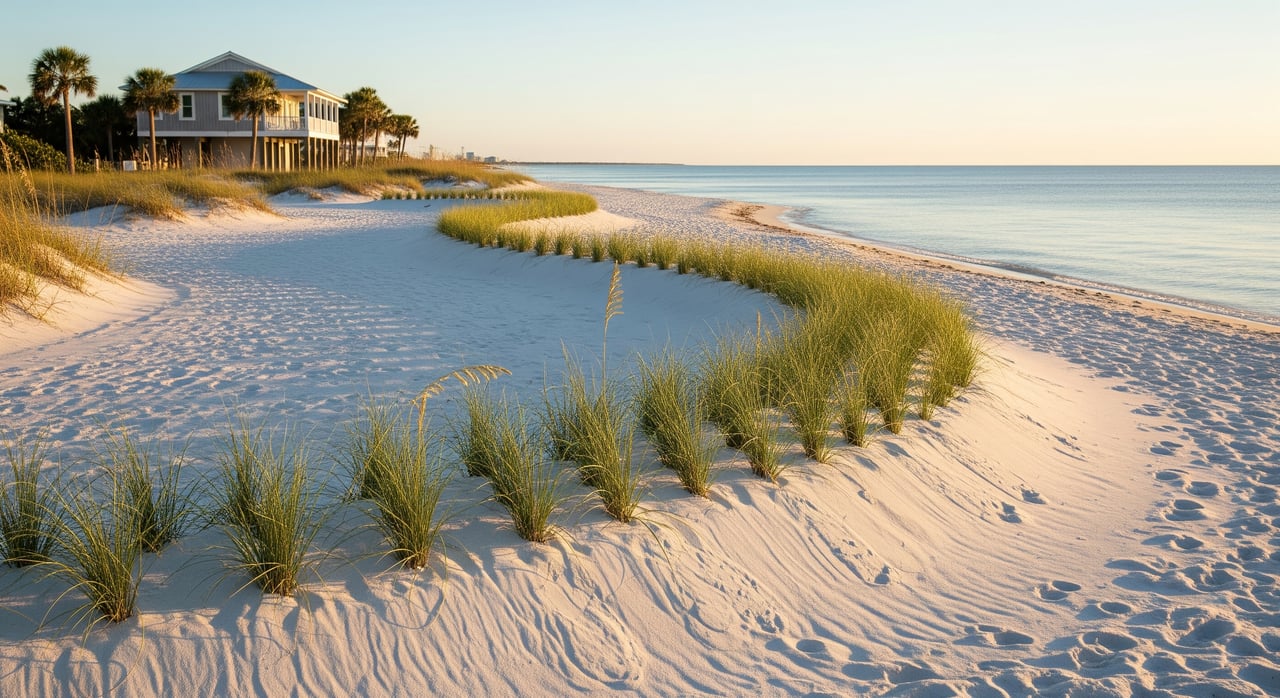
Is the beach in front of your Anna Maria Island property changing, or are you hearing about fresh sand coming soon? If you own or hope to buy on the Gulf, it is normal to wonder how beach renourishment affects access, views, and timing for a move or sale. You want a clear, local explanation so you can plan with confidence. This guide breaks down how renourishment works on Anna Maria Island, who is involved, typical timelines, and what you can expect on the sand and around your property. Let’s dive in.
Beach renourishment basics on Anna Maria Island
Beach renourishment is the placement of compatible sand on an eroded beach to rebuild the dry-sand area and stabilize the shoreline. On Anna Maria Island, projects are often sponsored by Manatee County with participation from the island cities. The U.S. Army Corps of Engineers can be involved in federally authorized shore protection projects, and the Florida Department of Environmental Protection administers state programs and permitting.
For the latest official updates, start with the Manatee County website. You can also check the U.S. Army Corps of Engineers Jacksonville District for federal project information and the Florida DEP Beaches program for state guidance and funding details.
- Manatee County official site: Manatee County’s website
- USACE Jacksonville District: USACE Jacksonville District
- FDEP Beaches & Coastal Systems: FDEP Beaches program
- Background and mapping: NOAA Digital Coast
How the process works: step by step
Planning and design
Engineers study historical shoreline change and wave conditions, then design a beach profile that adds back dry sand where it is needed most. Designs aim to increase beach width and reduce storm damage while protecting coastal habitat. The design also checks that the sand grain size and color are compatible with the existing beach.
Funding and authorization
Funding typically comes from a mix of federal, state, and local sources. Federal participation requires authorization and budgeting. The state may cost share through Florida’s Beach Management Funding Assistance Program. Local sponsors in Manatee County often provide the match and manage the project locally.
Permitting and environmental review
Projects that include federal participation go through NEPA review, plus state environmental resource permits and coastal construction approvals. Agencies consult on protected species like sea turtles and shorebirds. These reviews set work windows, monitoring, and protective measures to reduce environmental impacts.
Procurement and construction
Once permits and funding are in place, the contractor mobilizes dredging and pipeline equipment or trucks. Most island-wide projects use offshore dredging that pumps sand by pipeline onto the beach. Crews then shape the sand with bulldozers to the design profile and elevation.
Monitoring and maintenance
After construction, teams survey the beach profile and monitor environmental conditions. Most beaches need periodic maintenance to keep pace with natural erosion and storm events. Renourishment is a long-term maintenance strategy, not a one-time fix.
Timelines you can expect
From study to sand on the beach
For a routine municipal project, the path from preliminary studies to construction often spans 1 to 4 years. Planning and design can take 6 months to multiple years. Permitting can add several months to 2 years, depending on complexity.
On-island construction schedule
Once a contractor is selected, mobilization can take 2 to 6 months. Construction on a given stretch of beach may last from weeks to several months. If the project is phased across different reaches of the island, work can extend over a season or longer, though impacts to any single access point are usually shorter.
How often renourishment repeats
Many projects are designed with maintenance in mind. On similar Gulf beaches in Florida, intervals between renourishments commonly range from 3 to 7 years. Storms and local erosion rates can shift those timelines.
Work windows and sea turtles
In Florida, sea turtle nesting season generally runs May 1 through October 31. Many projects schedule work outside this window when possible. If work occurs during nesting season, permits typically require lighting controls, on-site monitoring, and other protective measures. For species guidance and season details, see the Florida Fish and Wildlife Conservation Commission’s sea turtle resources.
What you will see during construction
Access and beach use
Access is often maintained where safe, but you should expect temporary closures or detours around active work zones. Staging areas can limit nearby parking or amenities for a time. Public walkovers may be rerouted during certain phases.
Noise and activity
Dredging equipment, pipelines, and bulldozers are part of the process. In most areas, the most noticeable activity near a particular access point lasts days to weeks, though the broader project may take longer across the island.
Visual changes to the beach
Right after sand is placed, the beach often looks different. Fresh sand can vary slightly in color until natural waves and foot traffic blend it. You may see tire tracks, temporary berms, and darker wet sand near the waterline. Water clarity can be reduced near the active placement area, and signs will note any safety concerns.
After construction
As the beach equilibrates, it settles into a more natural look and feel. The widened beach offers more room for public use and can reduce short-term erosion risk. Monitoring continues to ensure performance and environmental compliance.
Beach width, profile, and sand color
Designs specify a berm width, elevation, and slope to restore dry-sand beach in front of structures and public access points. Depending on funding and design, projects often add tens to a few hundred feet of dry sand. The exact width and profile vary by project and reach. Sand compatibility is a priority, but the beach may look lighter or darker at first until natural processes blend it into the existing shoreline.
Property, insurance, and value considerations
Renourishment can increase dry-sand beach width and improve public access. It can also contribute to storm-damage reduction. However, it does not permanently prevent erosion or eliminate risk from severe storms. Insurance premiums depend on many factors and are not automatically adjusted just because a beach project is completed. For broader hazard and disaster program information, consult FEMA’s coastal resources.
Before you buy or list a Gulf-front property on Anna Maria Island, build the project status into your due diligence:
- Confirm any current or upcoming construction schedule with the county or project pages.
- Ask whether temporary access changes could affect listing photography, showings, or closing logistics.
- Review title and municipal disclosures for any existing or potential local assessments tied to shoreline projects.
- Speak with your insurer and local building officials about site-specific considerations, including elevation and flood zones.
Costs, funding, and local assessments
Most beach renourishment projects mix federal, state, and local funding. The USACE may cost share in federally authorized projects. The state can provide funding through its Beach Management program. Local sponsors, such as Manatee County and island cities, typically contribute a match and may use assessments or special taxing districts to cover the local share. Always confirm details for a specific property with the county or city, and review closing documents for any applicable assessments. For programs and funding context, see the FDEP Beaches program and USACE Jacksonville District. County-level updates are posted on Manatee County’s website.
How to plan your timeline as a buyer or seller
- If you are scheduling listing photos or a launch, check the official project pages to avoid active construction in front of the property.
- If you are coordinating inspections and walk-throughs, confirm beach access routes and parking near staging areas.
- For rental turnovers or seasonal moves, allow flexibility for short-term access changes or detours.
- Build a communication plan with your agent so updates are shared early with all parties.
For current notices, construction windows, and contacts, use these official resources:
- Manatee County coastal and public works pages
- USACE Jacksonville District project and news pages
- FDEP Beaches program guidance and grants
- NOAA Digital Coast background on coastal projects
A practical snapshot for Gulf-front owners and buyers
- What improves: wider dry-sand area, enhanced public amenity, and near-term shoreline stability.
- What to expect during work: temporary equipment, fencing, and localized closures or detours.
- What changes after: beach appearance normalizes over months as the sand settles and blends.
- What is long term: periodic future renourishments as part of ongoing maintenance.
When you need to time a purchase or sale around a renourishment phase, a thoughtful plan and clear communication make all the difference. If you would like help aligning your strategy with project schedules and local conditions, connect with Julie Klick for concierge-level guidance tailored to barrier-island properties.
FAQs
Will beach access close during renourishment on Anna Maria Island?
- Access is usually maintained where safe, but expect temporary, localized closures or detours near active construction zones.
How long will equipment and noise be near my property?
- In the immediate area, activity typically lasts days to weeks, while the overall island project can extend over a season or longer.
How much wider will the beach be after the project?
- Designs often add tens to a few hundred feet of dry sand, but exact widths and profiles vary by reach and project funding.
Does renourishment permanently protect my property from storms?
- No. Renourishment can reduce short-term erosion risk, but it is maintenance that requires periodic future projects and does not guarantee protection from severe storms.
Who pays for beach renourishment on Anna Maria Island?
- Funding typically combines federal, state, and local sources, and local sponsors may use assessments or special districts to cover the local share.
When do projects work around sea turtles on the island?
- Many schedule work outside the general nesting season of May 1 through October 31; in-season work requires additional protections and monitoring.
Will a completed project lower my flood insurance premium?
- Insurance rates depend on multiple factors and are not automatically adjusted solely because renourishment is completed; confirm details with your insurer.