You deserve to feel confident when you buy a Sarasota condo, not worried about surprise assessments or hidden repairs. If you have heard more about “reserves,” “milestone inspections,” and “special assessments” since Surfside, you are not alone. The good news is that a little preparation goes a long way. This guide explains how Florida condo reserves work, what to check in Sarasota towers, and the steps to protect your purchase. Let’s dive in.
Florida condo reserves basics
In Florida, condominium associations manage two main buckets of money. The operating account covers day-to-day expenses like utilities, landscaping, and management. The reserve account is set aside for major items with long useful lives, such as roofs, elevators, exterior painting, paving, and structural repairs.
Florida’s Condominium Act, known as Chapter 718, outlines budget and reserve requirements, disclosures to buyers, and access to association records. You can read the statute text through the Florida Legislature’s portal by searching for Chapter 718. It is the foundation for how associations plan and report their finances.
According to state guidance, associations must adopt an annual budget that shows projected reserve funding, unless the voting interests approve a waiver or partial funding as allowed by law. Waiving reserves can lower monthly dues, but it increases the risk of a large special assessment later.
For official forms and updates on reserve and budget rules, review the DBPR condominium resources. This is the state’s primary hub for buyer and association guidance.
Milestone inspections overview
After the Surfside tragedy, Florida added periodic structural “milestone” inspections for certain condominium buildings. These inspections are designed to find structural or life-safety issues so associations can plan repairs in a timely way.
Specific thresholds and deadlines have been updated during implementation. In general, multi-story buildings reach a first inspection around a set building age, with follow-ups at regular intervals thereafter. Always confirm current timelines and filing steps through the DBPR’s milestone inspection guidance available from the DBPR condominium portal and by reviewing the applicable sections within Chapter 718 at the Legislature’s statutes portal.
If an inspection finds significant issues, an association may need to hire engineers, plan remediation, and fund repairs through reserves, loans, or special assessments.
Sarasota tower realities
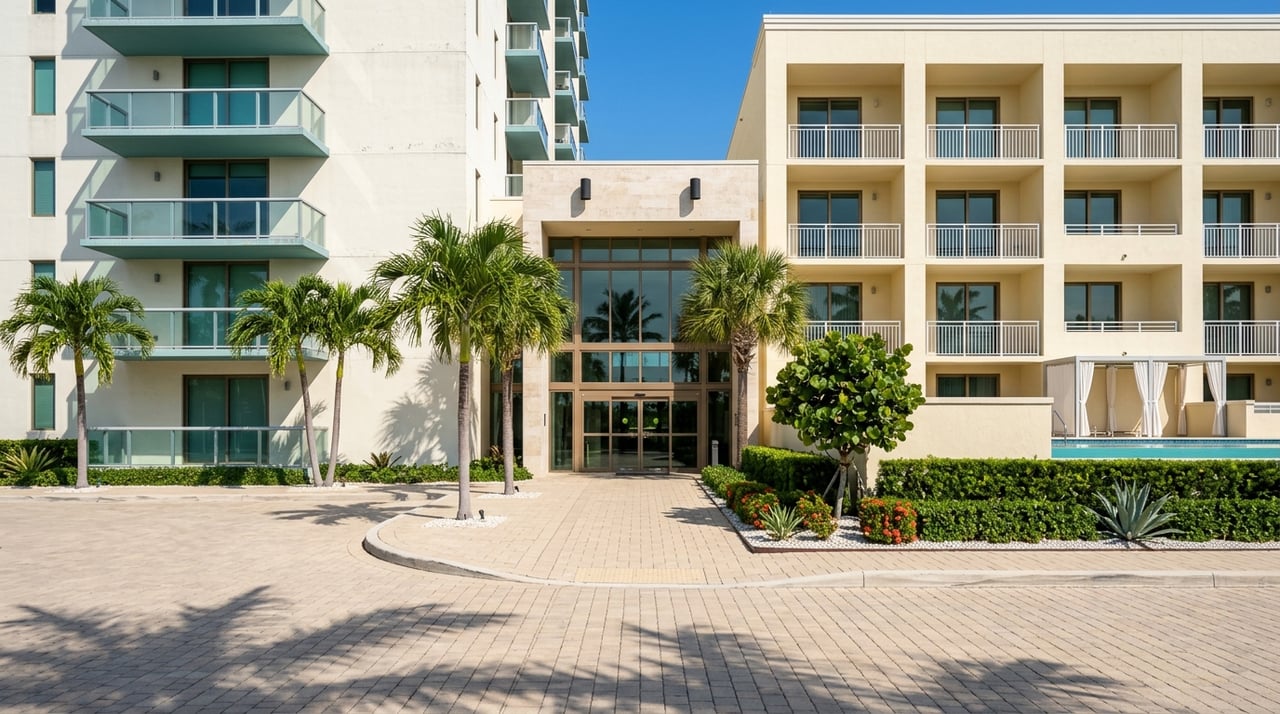
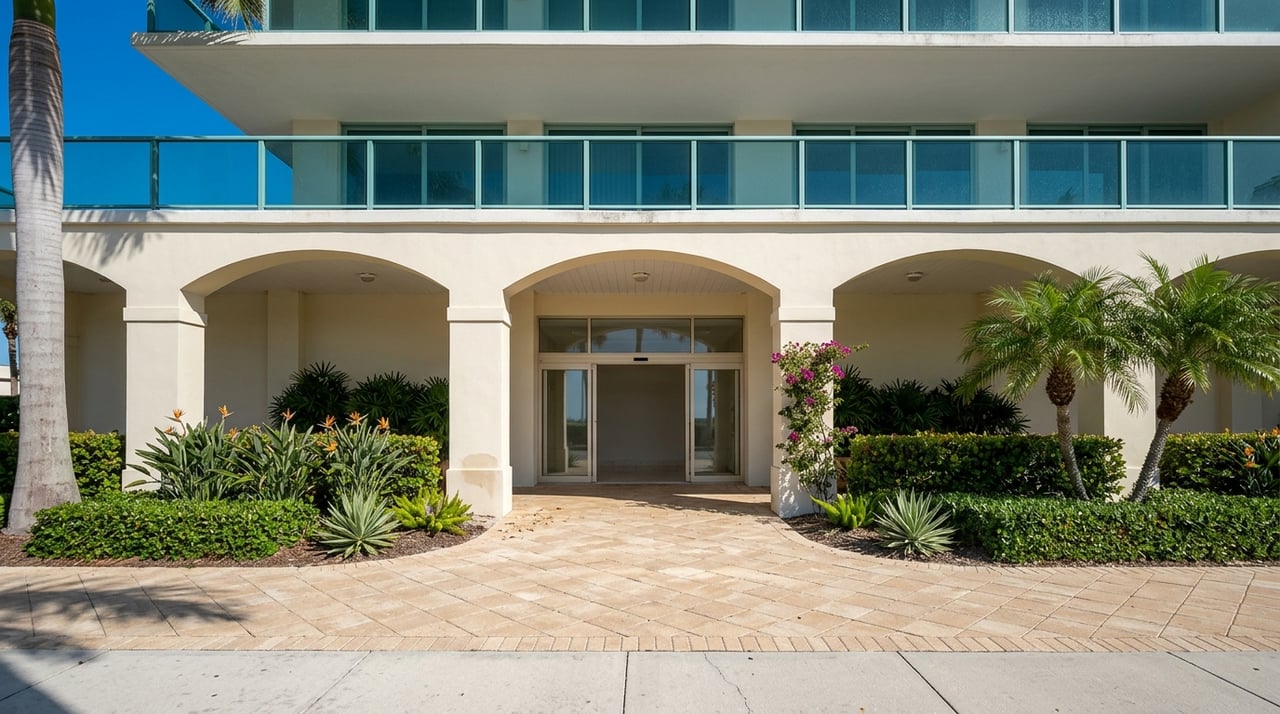
Sarasota and the barrier islands, including Longboat Key, Lido Key, and Siesta Key, have many towers built from the 1960s through the 1990s. Many of these buildings are at or near the age where milestone inspections and larger capital projects become more common.
Coastal exposure matters. Salt air, wind, and moisture can increase the need for façade maintenance, waterproofing, concrete and balcony repairs, and mechanical replacement. That often means higher reserve needs compared to newer inland buildings.
Local permitting and contractor availability can affect timelines and costs for major work. Expect associations to plan longer lead times and phased projects, especially for structural or envelope repairs.
Costs: dues vs special assessments
Reserve funding affects what you pay and when you pay it. Well-funded reserves usually mean higher monthly or quarterly dues, but a lower chance of big one-time assessments in the near term. Low reserves can make dues look attractive, but the risk of a large special assessment rises when major work comes due.
Special assessments are one-time charges to cover shortfalls or large projects. They can be significant and may be paid in installments or rolled into an association loan that owners repay over time.
Buyer due diligence checklist
Request these items during your contract contingencies so you can see the complete financial and structural picture:
- The approved annual budget and recent year-to-date financials, including line-item reserves.
- The reserve study and any updates, plus the association’s reserve funding policy.
- Board meeting minutes for the last 12 to 24 months.
- Any bids or contracts for major projects, such as roofing, elevators, waterproofing, or structural work.
- The resale certificate or estoppel letter with pending or approved special assessments and owner arrears as required by Chapter 718.
- Milestone inspection reports and any follow-up engineering or repair plans with cost estimates and timelines.
- The association’s insurance certificate, including coverages and deductibles.
- A list of outstanding association loans and details on any past or planned assessments.
- Governing documents to confirm voting rules on waiving reserves and special assessments.
- Litigation history and open claims.
Questions to ask the board
- Has the building completed its milestone inspection, and were major deficiencies identified?
- What is the remediation plan, timeline, and estimated cost if issues were found?
- What percentage of the recommended reserves is currently funded?
- Were reserves waived in recent years, and by what vote?
- Are there pending or expected special assessments or association loans?
- How does the association plan to phase and finance major projects?
Red flags to pause on
- No recent reserve study, or reserves funded at a very low level.
- Repeated special assessments for capital items without a long-term plan.
- Insurance non-renewals or unusually high deductibles for wind, flood, or structural coverage.
- Ongoing litigation about construction defects or contractor disputes.
- Milestone inspection reports that identify deficiencies without a clear financing plan.
Financing and insurance impacts
Lenders and insurers look closely at building health. Mortgage underwriters review association financials, reserve funding, and special assessments before approving loans on condo units. Insurance carriers may raise premiums or limit coverage for buildings with structural concerns or minimal reserves, which can influence owner costs and association budgets.
Because lender rules and insurance markets evolve, verify current requirements with your loan officer and insurance broker during your contingency period.
Work with the right pros
- Condominium or HOA attorney to interpret governing documents, disclosures, and assessment authority.
- Structural engineer or building envelope specialist to explain inspection findings when needed.
- A lender experienced with Florida condominiums to confirm project eligibility and loan options.
- An insurance broker familiar with association coverages and deductibles.
- A local Sarasota agent who understands tower histories, assessment patterns, and market effects.
Make a confident offer
A thoughtful review of reserves, inspections, and assessment plans helps you avoid surprises and choose a building that fits your budget and lifestyle. Focus on transparency and planning. Well-documented reserve strategies, current engineering reports, and clear board communication support stable ownership and resale value.
If you are weighing two similar condos, the one with stronger reserves, completed inspections, and a realistic capital plan often delivers the smoother path. When in doubt, ask for the documents and lean on your advisory team.
Ready to evaluate a Sarasota or Longboat Key condo with an experienced, local perspective? Connect with Julie Klick for discreet, high-touch buyer representation and clear guidance on reserves, inspections, and assessments.
For official information and the most current rules, review the DBPR condominium resources and search Chapter 718 of the Florida Statutes at the Legislature’s portal.
FAQs
What is a Florida condo reserve account?
- A reserve account is money set aside by a condominium association for major repairs or replacements with long useful lives, separate from the operating budget.
How do milestone inspections affect Sarasota buyers?
- Milestone inspections can trigger engineering work and repairs, which may lead to planned special assessments or higher dues depending on reserves and financing.
What should I request before making an offer on a Sarasota condo?
- Ask for the budget, financials, reserve study, board minutes, milestone inspection reports, insurance certificate, resale certificate or estoppel, and any project bids or loans.
What is a resale certificate or estoppel letter in Florida?
- It is an association disclosure for buyers and closing agents that confirms dues, assessments, arrears, and other required information under Chapter 718.
How do special assessments work in condo towers?
- Associations levy one-time assessments to fund shortfalls or major projects, collected as lump sums or installments, sometimes paired with association loans.
Are coastal Sarasota buildings more likely to need higher reserves?
- Coastal exposure to salt, wind, and moisture can increase façade, waterproofing, and structural maintenance needs, which often requires higher reserve planning.
—
When you are ready, reach out to Julie Klick for a private consultation and tailored condo search along Longboat Key and Sarasota’s barrier islands.
Helpful resources:
- Visit the DBPR’s condominium resources for official forms and guidance: Florida DBPR Condominiums, Cooperatives & Mobile Homes
- Review the Florida Condominium Act by searching Chapter 718 at the Legislature’s portal: Florida Statutes, Chapter 718