Have you heard locals say a home is “West of Trail,” then realized you aren’t sure what that actually means? You are not alone. If you are exploring Sarasota from out of town, this shorthand can be confusing, and it matters for lifestyle, pricing, and even insurance. In this guide, you will get a clear definition, a simple mental map, what housing looks like, and a practical checklist to help you compare properties with confidence. Let’s dive in.
What “West of Trail” means
In Sarasota real estate, “the Trail” almost always refers to US 41, also known as Tamiami Trail. When someone says a property is “West of the Trail,” they mean it sits between US 41 and Sarasota Bay. This includes downtown bayfront areas and the barrier islands reached by causeways just west of downtown.
There is also a popular walking and biking route called the Legacy Trail. In some conversations, people use “the trail” to refer to that. For home searches, though, the reference is US 41. When you see a listing or neighborhood description, confirm that “Trail” means Tamiami Trail, not the Legacy Trail.
Why the phrase matters: it is a quick way to convey proximity to the bay, downtown, and a walkable, arts-and-dining lifestyle. It also hints at different housing types, price points, and coastal considerations than neighborhoods east of US 41.
Where it is on the map
East border: US 41
Use US 41 as your reference line. If you are west of that corridor, you are in the “West of Trail” zone. This is the anchor that locals rely on when they use the term.
West border: Sarasota Bay and nearby islands
At the western edge is the Sarasota Bay shoreline and the barrier islands. Areas like Lido Key and St. Armands, reached by causeways from downtown, are part of the broader west-of-trail lifestyle. You will find waterfront parks, marinas, and routes to the beaches.
North to south: downtown and adjacent bayside pockets
The phrase most often covers downtown Sarasota, the bayfront district, and the nearby residential blocks north and south of the core. Exact neighborhood boundaries vary. When evaluating a specific address, check official county or city maps to confirm where it sits relative to US 41 and the bay.
Housing you will find
Bayfront and downtown condos
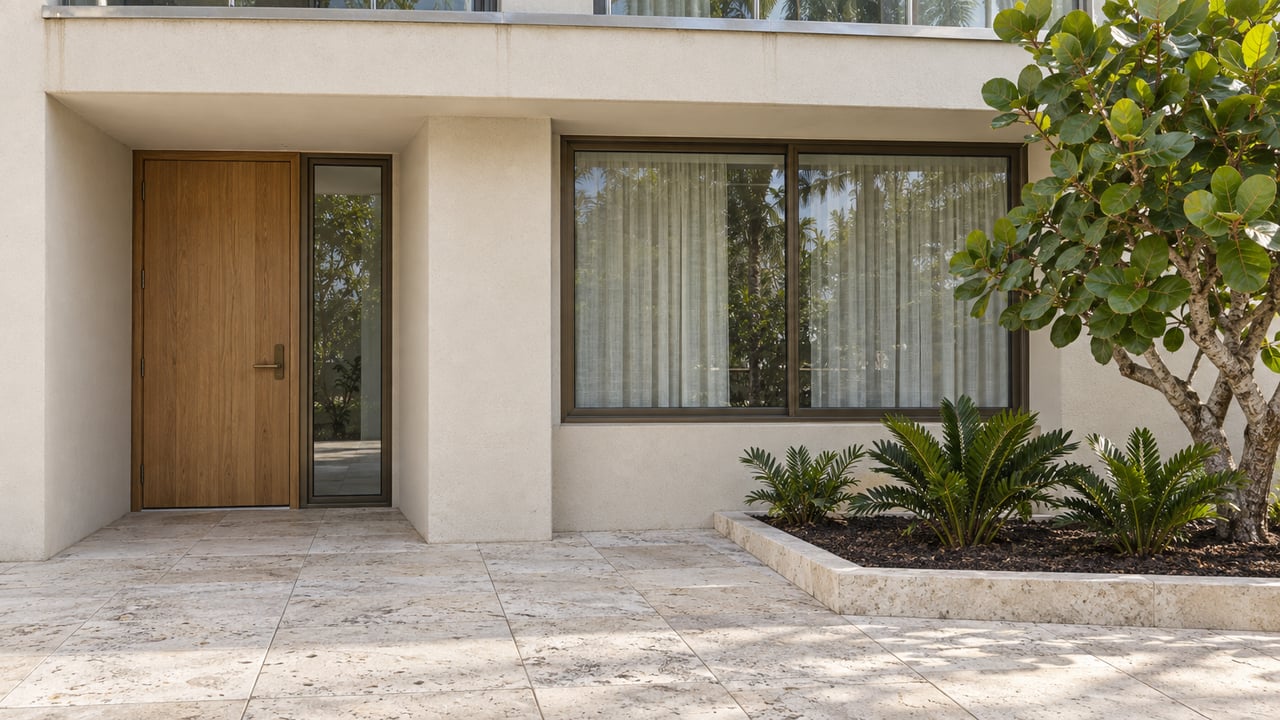
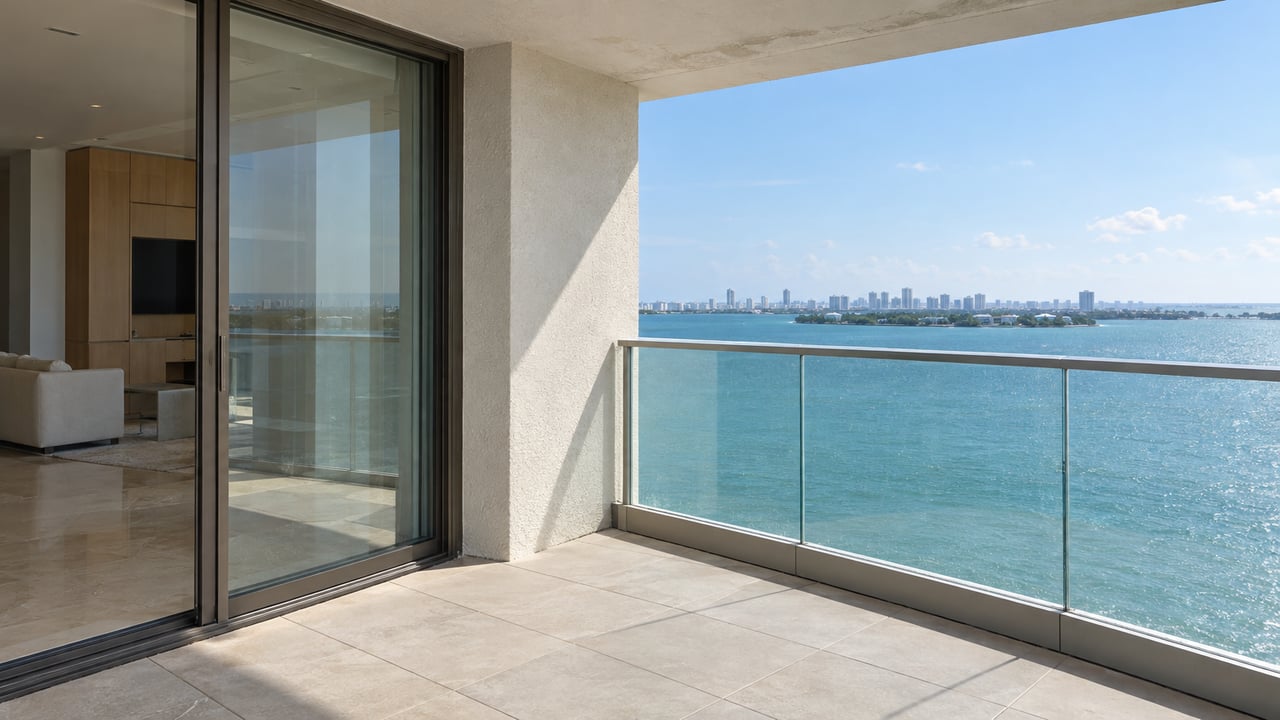
Close to the bay and downtown, mid-rise and high-rise condominiums are common. Many units prioritize views, proximity to restaurants and cultural venues, and walkable access to marinas and parks. If you want low-maintenance living with amenities, this is where you will find it.
Single-family pockets and styles
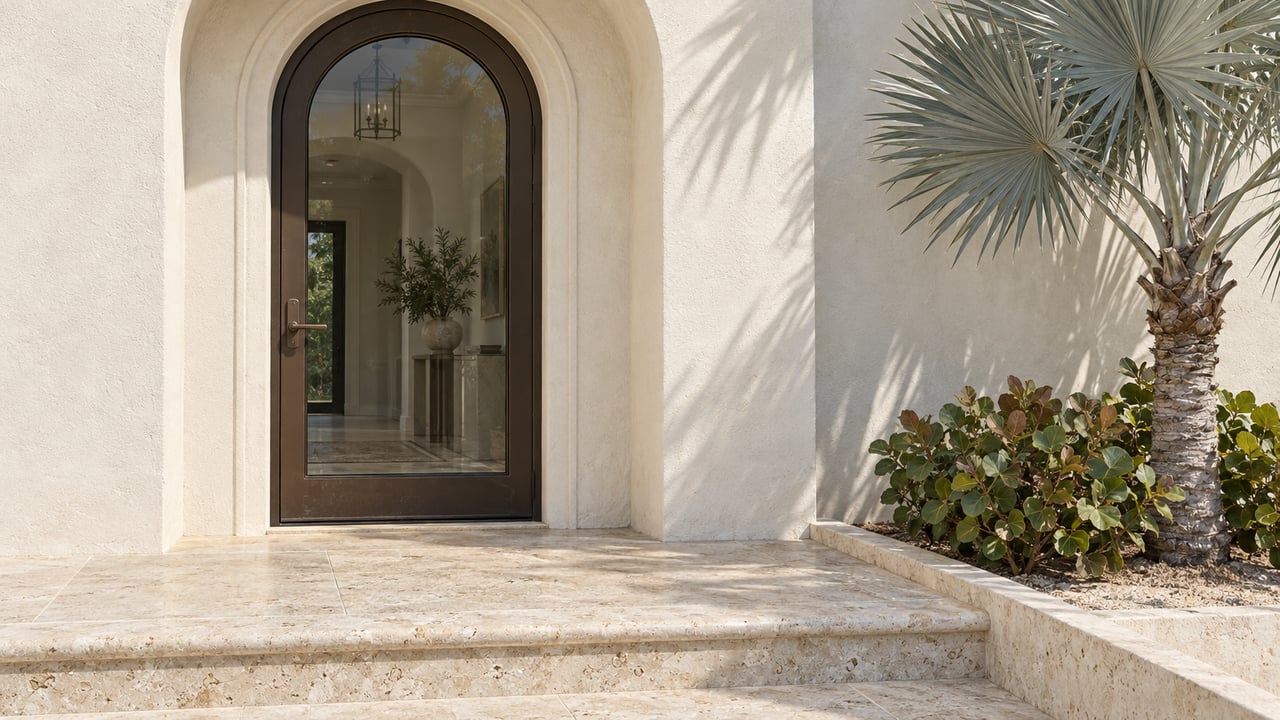
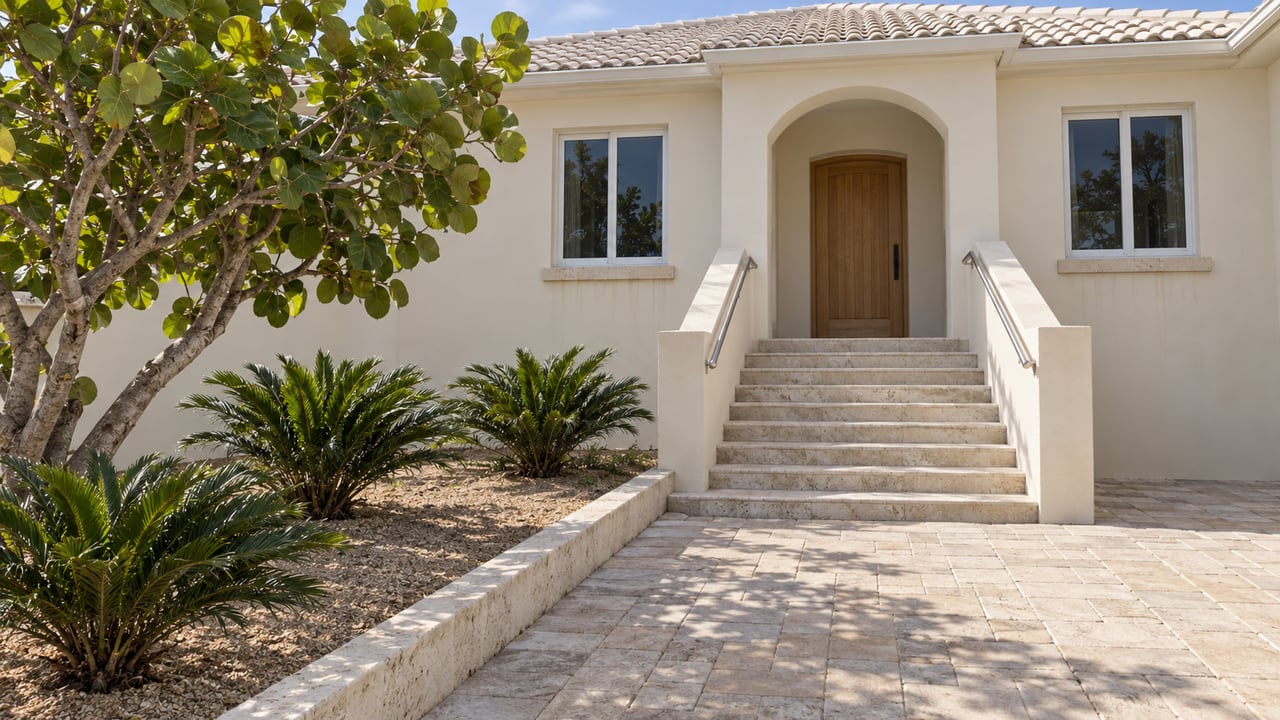
In adjacent residential blocks, you will see a mix of classic bungalow styles, mid-century ranch homes, Mediterranean or Mission-inspired architecture, and renovated modern residences. These neighborhoods can feel intimate and established. Homes vary widely in age and updates, so plan to compare roof history, systems, and storm-resilience improvements.
Waterfront estates and canal homes
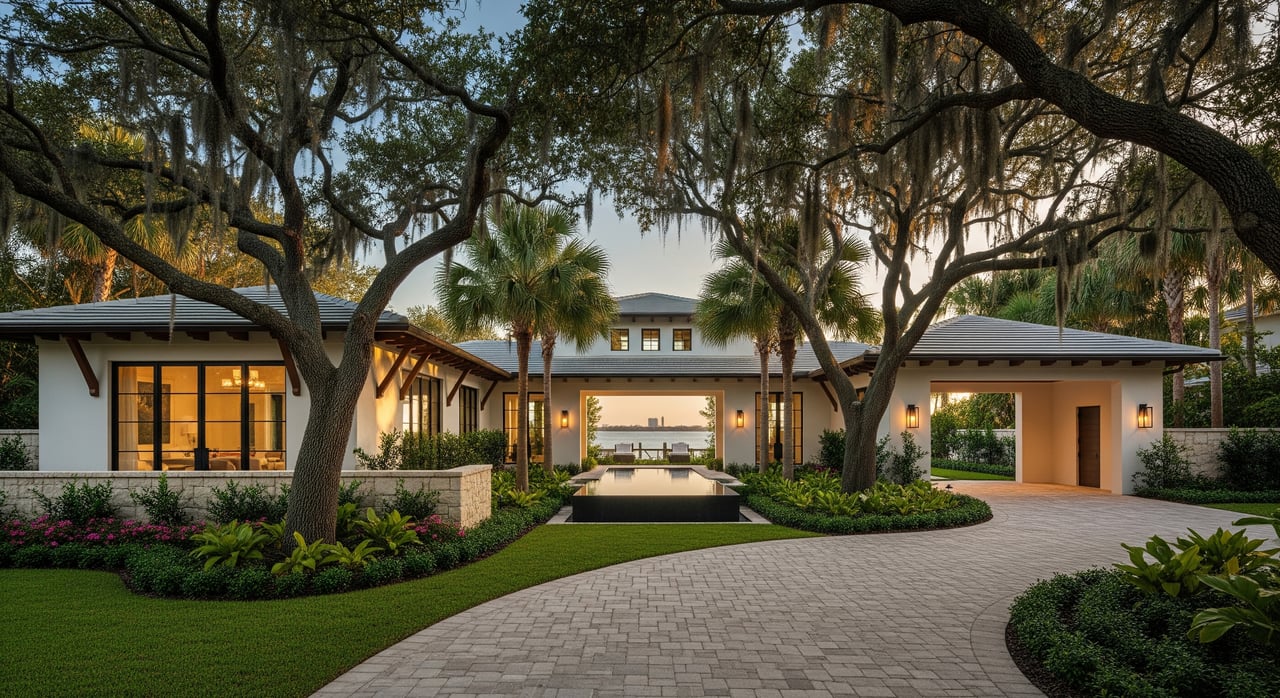
Along the bayfront and on canals, single-family homes tend to be larger and carry premiums for water access. Many have docks, boat lifts, or seawalls. If boating is a priority, factor in the condition and permitting history of any marine structures in your due diligence.
Infill and new construction
Because west-of-trail blocks are in demand, you will see selective infill and redevelopment. Some older homes are replaced with luxury builds, and some undergo extensive renovations. Inventory changes block by block, so expect variety.
What to compare when shopping
- HOA and condo fees vs lifestyle and amenities.
- Age of building systems, roofs, and hurricane hardening features.
- For waterfront sites: seawall condition, dock and lift permits, and any encroachments.
- Walkability, parking, and traffic patterns in season.
Lifestyle highlights
Walkability and culture
West of the Trail is among Sarasota’s most walkable areas. You are close to restaurants, galleries, performing arts, and bayfront parks. Events and seasonal programming add energy to the area, so plan how you will enjoy them and where you will park during busy nights.
Beach and island access
Living west of US 41 puts you closer to the causeways leading to nearby barrier islands and popular beaches. Routes differ by neighborhood, but in general you will have faster access to the islands than homes farther inland.
Boating and water recreation
If boating, fishing, or paddle sports are part of your plan, many west-of-trail properties make that easier. Some homes have direct bay or canal access, and marinas are close by. Always include dock depth, seawall status, and exposure to wind and waves in your evaluation.
Seasonality and services
Sarasota sees seasonal residents and visitors. That can change traffic and parking patterns, especially downtown and near event venues. The upside is immediate access to city services, restaurants, medical offices, and a full calendar of public events.
Costs, insurance, and rentals
Properties close to the bay and downtown tend to command higher prices than comparable homes farther inland. Condos with water views or direct access and historic homes in desirable blocks often price at a premium. Many condo buildings offer amenities with monthly fees. Weigh those costs against the convenience and maintenance you want.
Coastal properties may require wind and flood insurance. Premiums depend on elevation, FEMA flood zone, building age, and claims history. Sea level rise and storm surge risk are increasingly relevant to long-term planning and insurance availability. If renting is part of your strategy, know that short-term and seasonal rental rules vary by building and by local zoning. HOA bylaws matter as much as city rules for investment viability.
Property taxes follow county rates, but assessed values will reflect the premium for waterfront and downtown locations. When you compare affordability, include taxes, insurance, and HOA or condo fees in your totals.
Buyer checklist for West of Trail
- Confirm the “Trail” reference. Make sure the listing and your search criteria refer to US 41, not the Legacy Trail.
- Map and verify the exact location. Use county GIS or city parcel maps to confirm the property’s position relative to US 41 and the bay.
- Check flood, elevation, and insurance. Review FEMA flood zones and ask for an elevation certificate if the property is in or near a flood zone. Get quotes for wind and flood coverage based on the specific structure and site.
- Inspect waterfront and structural items. For canal or bayfront homes, evaluate the seawall, dock, and boat lift permits. For condos, review wind mitigation measures, roof age, and reserve funding.
- Review zoning and rental rules. Confirm whether city or county rules and HOA bylaws align with your intended use, including seasonal or short-term rentals, pet policies, and exterior modifications.
- Test walkability and parking. Walk to dining and park during peak times to check the practical experience you will have year round.
- Assess noise and event impacts. Visit at different times of day and week to understand traffic, foot activity, and event schedules.
Is “West of Trail” right for you?
Choose West of Trail if you value quick access to downtown, the bay, and the barrier islands. You will likely trade higher purchase prices and potential insurance costs for walkability, views, and a turnkey lifestyle, especially in condo buildings with amenities. If boating, low-maintenance living, or proximity to arts and dining are high priorities, the area fits well.
If you prefer larger lots, lower carrying costs, or more distance from seasonal activity, it may be worth comparing neighborhoods farther east. The right fit comes down to how you want to live and what you expect from your home.
Ready to align your search with your lifestyle goals and the nuances of coastal ownership, from seawalls to insurance? Let’s talk about your shortlist and next steps. Start a private conversation with Unknown Company to move forward with clarity.
FAQs
What “West of Trail” means in Sarasota
- In real estate, it means the area west of US 41, also known as Tamiami Trail, toward Sarasota Bay and the nearby barrier islands.
Whether “West of Trail” equals waterfront
- Not always. It includes both waterfront and non-waterfront blocks near the bay and downtown. Waterfront homes are a specific subset with their own premiums and considerations.
Walkability to downtown from west-of-trail homes
- Many of Sarasota’s most walkable areas are west of US 41, though walkability still varies block by block.
Insurance costs for west-of-trail properties
- Often higher than inland homes due to wind and flood exposure. Actual premiums depend on elevation, flood zone, building details, and claims history.
Investment and rentals west of the Trail
- Demand for seasonal and vacation rentals tends to be stronger near the bay and downtown, but local rules and HOA restrictions determine what is allowed and for how long.